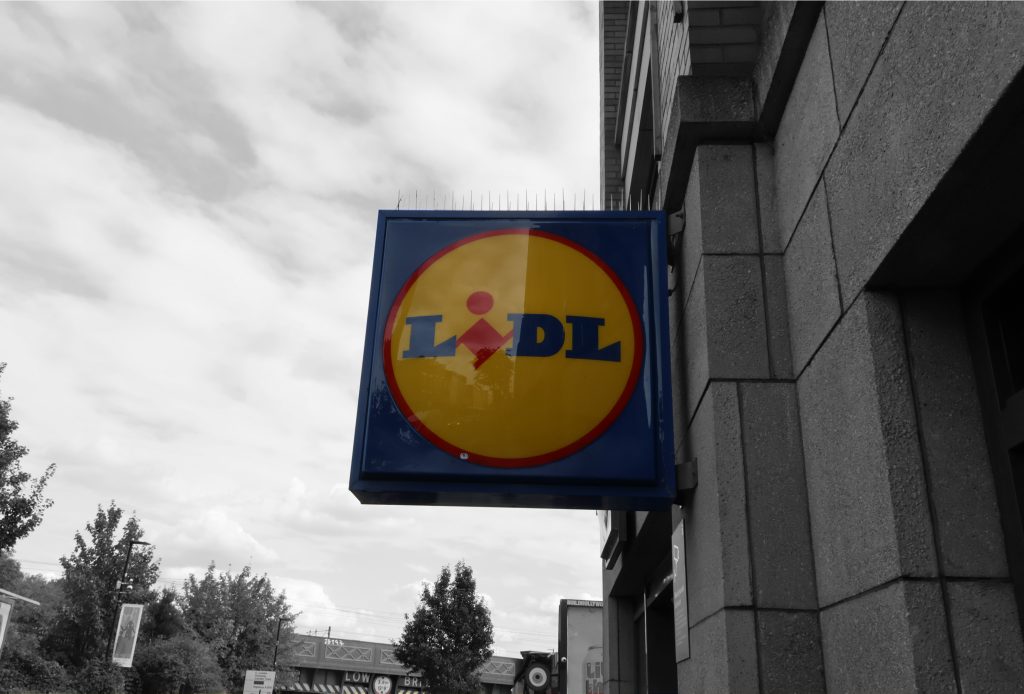
Site & initial idea
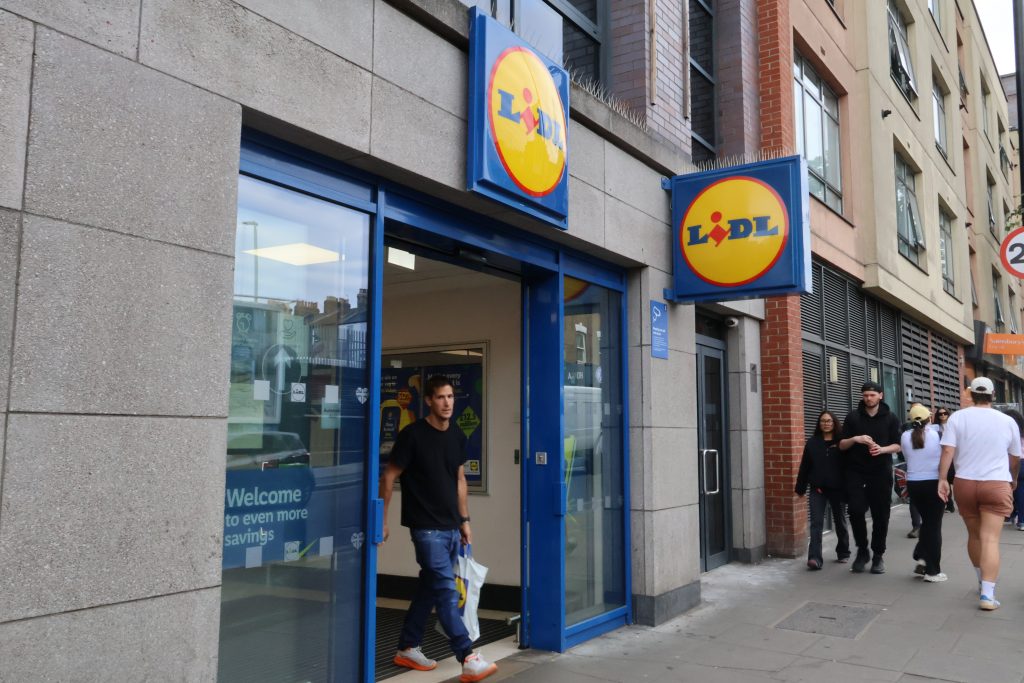
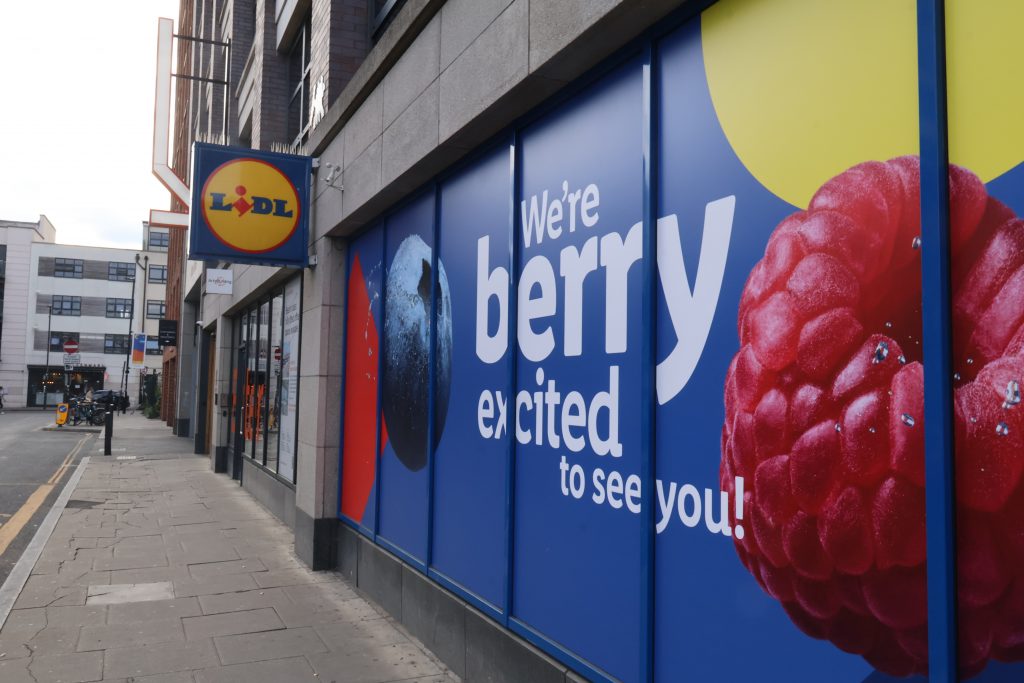
While shopping at a Lidl only a few minutes’ walk from where I live, I noticed some things that seemed quite particular to Lidl: I could see food, sauces and other products from different countries on the shelves. It was also during one of Lidl’s regular events, Asian Week. As an Asian person visiting London for the first time, I found this quite novel, because these products seemed to be given special attention.
A few days earlier, I had visited the British Museum, where the exhibitions from different countries and civilisations gave me a similar feeling. I found a similar experience again in Lidl. So I found it difficult not to think:
Why can’t we browse a supermarket like we browse a museum, or browse a museum like we browse a supermarket?
Week 1
Method 1: mapping/notetaking
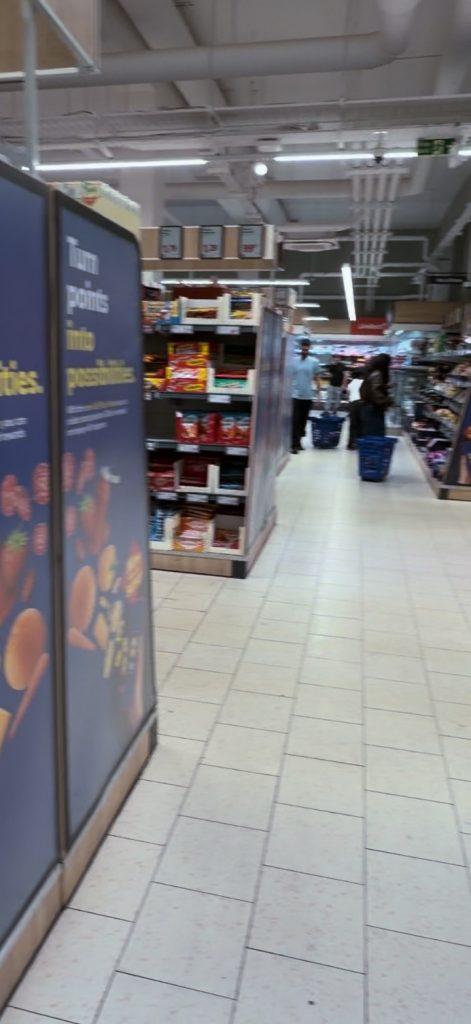
For investigating a site, a map is a very effective and intuitive tool. To make the drawing easier, I first recorded a video while walking through the supermarket. Based on the video, I drew an approximate map.
However, during the process of drawing, I realised that the space I occupied was too small compared with the whole supermarket. I could not clearly understand the positions and distances between the shelves only from the video, especially because of the many turns I made. These difficulties caused me to fail in my first attempt at drawing the map.
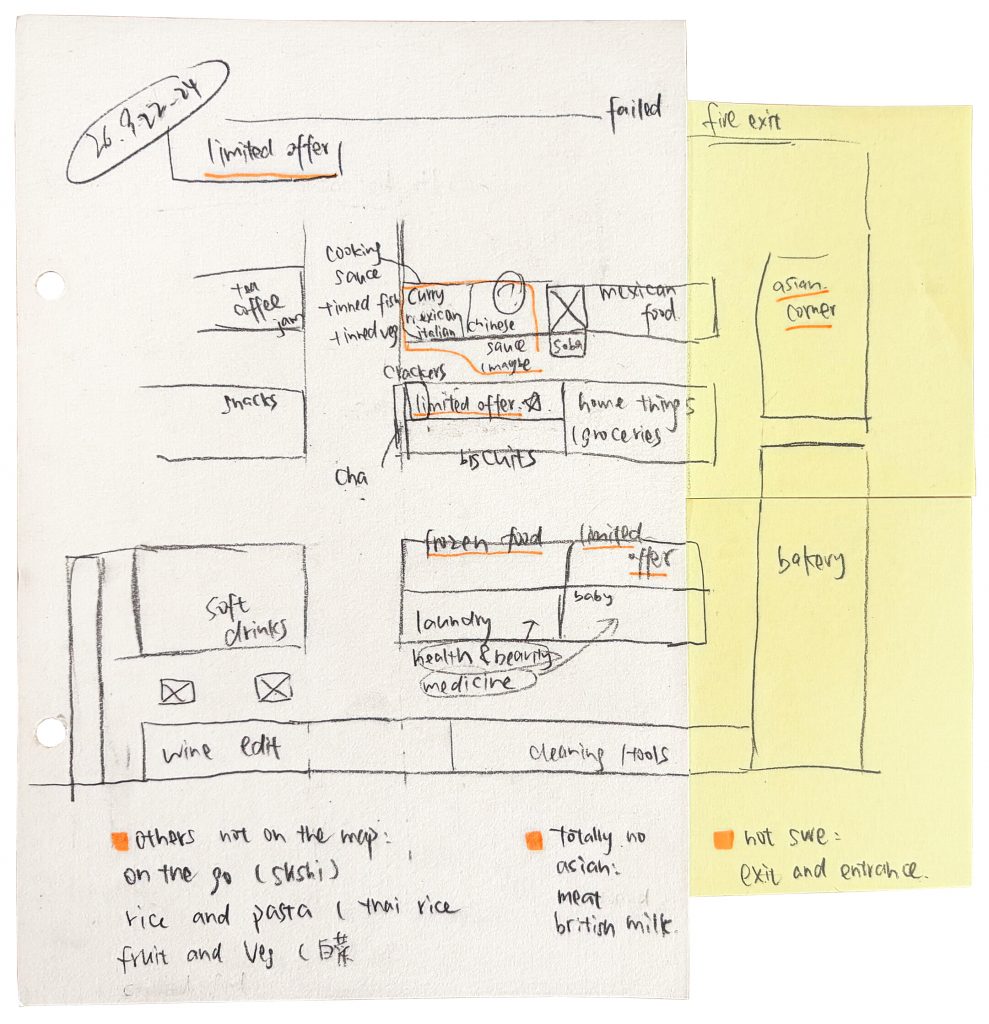
I will try to go back to the supermarket with paper and a pen to take notes and draw the space on site. I will also mark the locations of these products on the map.
Method 2: photographing
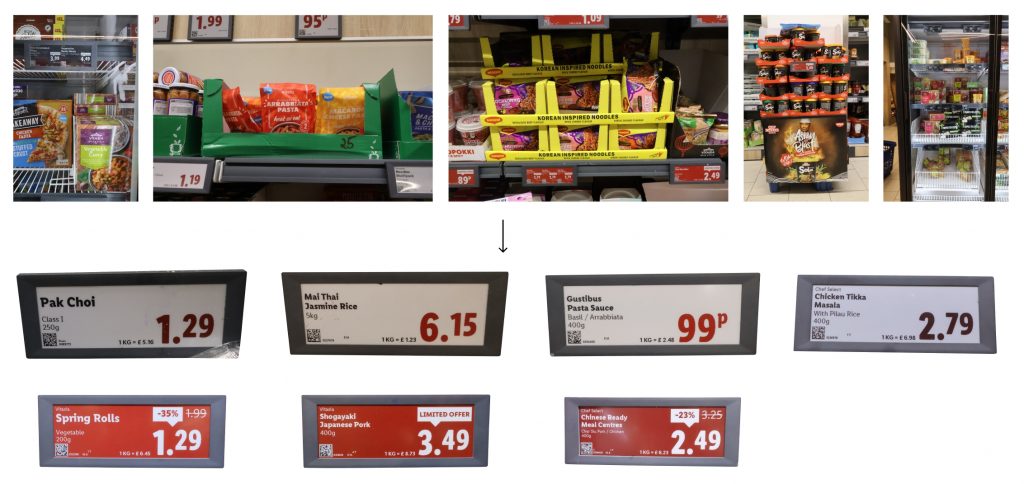
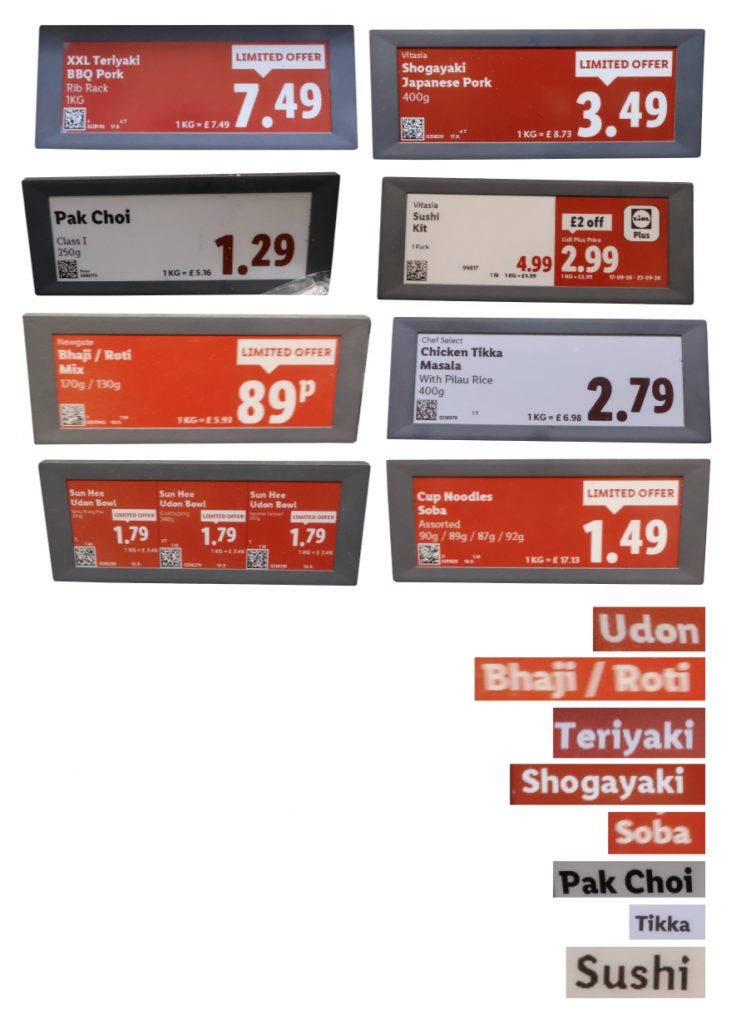
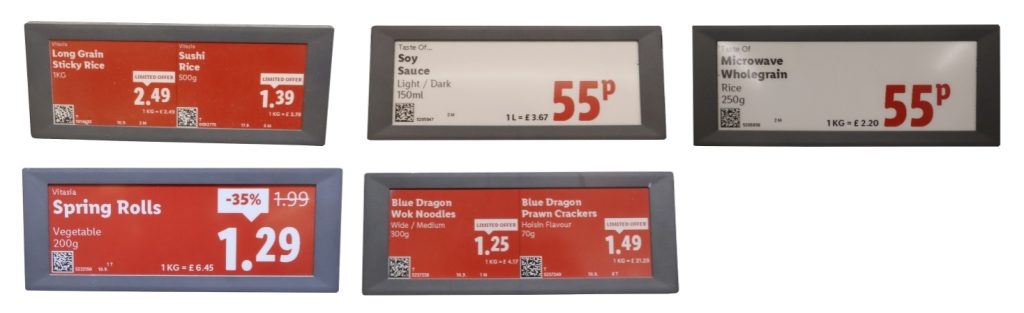
For the food products from Asia, I photographed and processed the labels, leaving only the product names and price labels.
I tried to look for patterns in the way the products were described through the text on the labels.
Method 3: sorting?
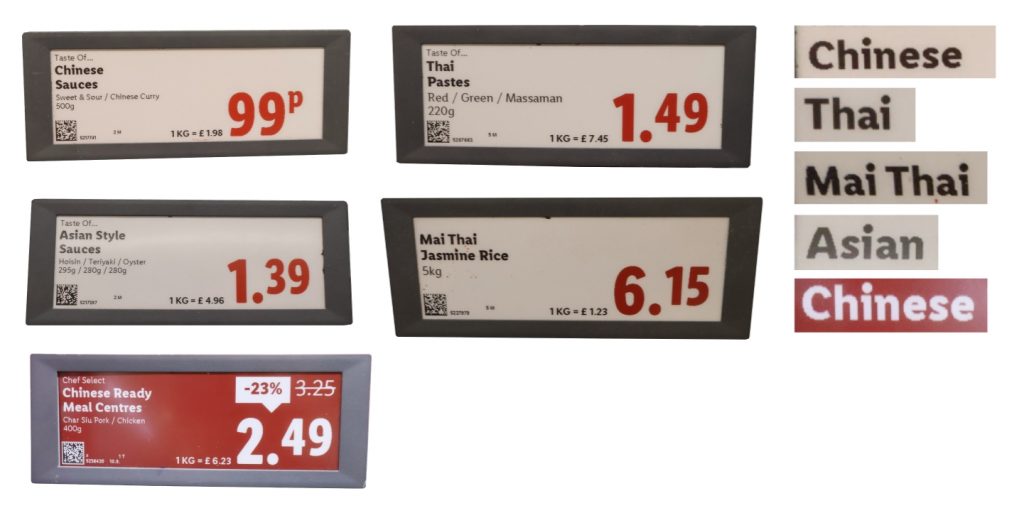
I found that some products included the pronunciation of the local language, some products directly stated their country of origin, while for some products it was not possible to get this information from the label. However, for most of these products, it was possible to see where they came from from the product packaging itself. So I sorted the Asian-featured products in Lidl according to different classification criteria.
feedback
1. References and further reading:
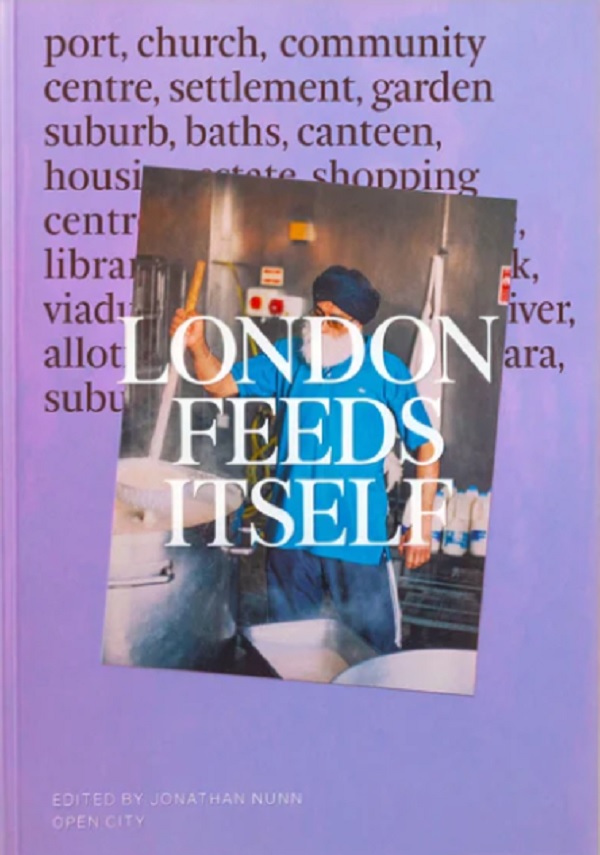
London feeds itself
Book by Jonathan Nunn
2.the site(feedback from classmate)
There are already many things happening in a supermarket. Maybe I can choose one shelf or one corner?
3.the question about “What Does Asian Mean?”
How is Thai marketed as Thai like how is Chinese marketed as Chinese?
Try to use visual communication skills to interrogate the packaging of these categories.
packaging / typography / language / imagery / people / food photography
Week 2
I chose photographing as the further developed method
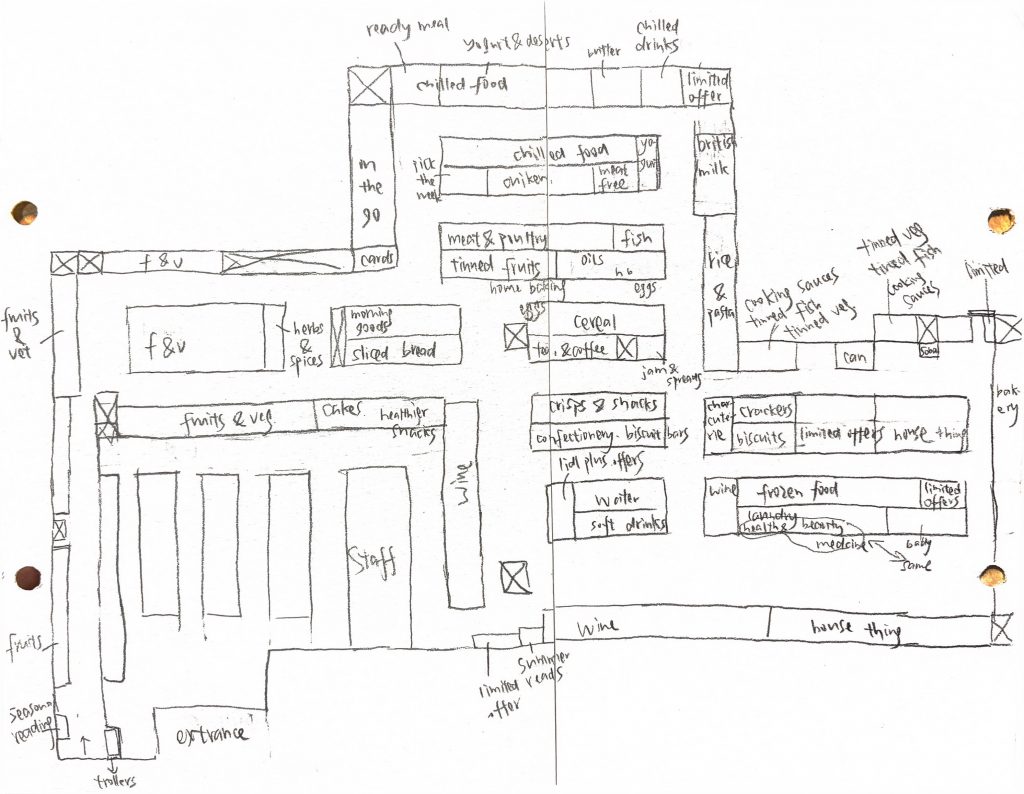
I did mapping of Lidl successfully by walking in it and try to measure the length of each shelves and ways. And then I got a clear image of the supermarket, it became easily to investigate and I won’t miss in it.
However, I returned to the site and found that the temporary Asian Week display had disappeared. Food and products on Limited Offers shelves had replaced by other things.
So I changed my topic from this temporary phenomenon and focus on the new question: What make time visual in Lidl?
Time is clear in a supermarket while everything has a beginning and an ending. Things like best before and expired date appear in almost every part of the supermarket. It’s just like there’s known information showing the time-limited nature. This kind of idea is just similar with the museum which both museum and supermarket bring new but time-limited things.
So I started to take photos.
There were lots of changes happening everyday in Lidl. I recorded these frequent changes in same parts and took notes of time and date. And also, I I recorded (came across) with the traces of staffs, most of them were trolleys.
As the response of the question “How Lidl makes time visual”, I also do a series of Photoshop work based on photos I took of the expired time, use by and best before.
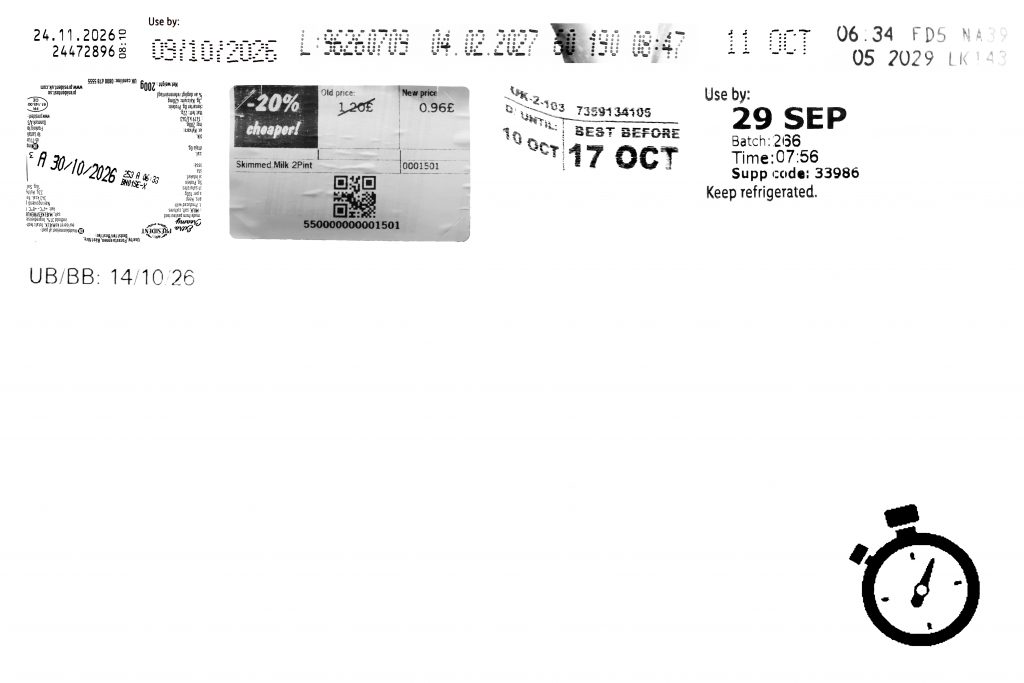
At first, I think there may be different fonts and different layouts for me to investigate, and maybe it’s more like graphic and communication language. But I confused with what I can do with this and what can be the outcome in the next week.
feedback
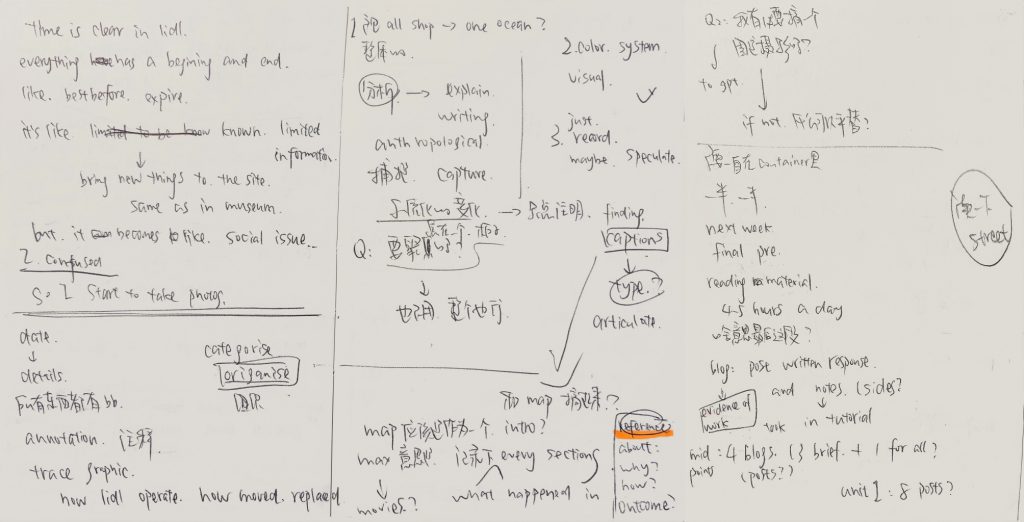
keyword: categorise / organise / annotation / anthropological
Week 3
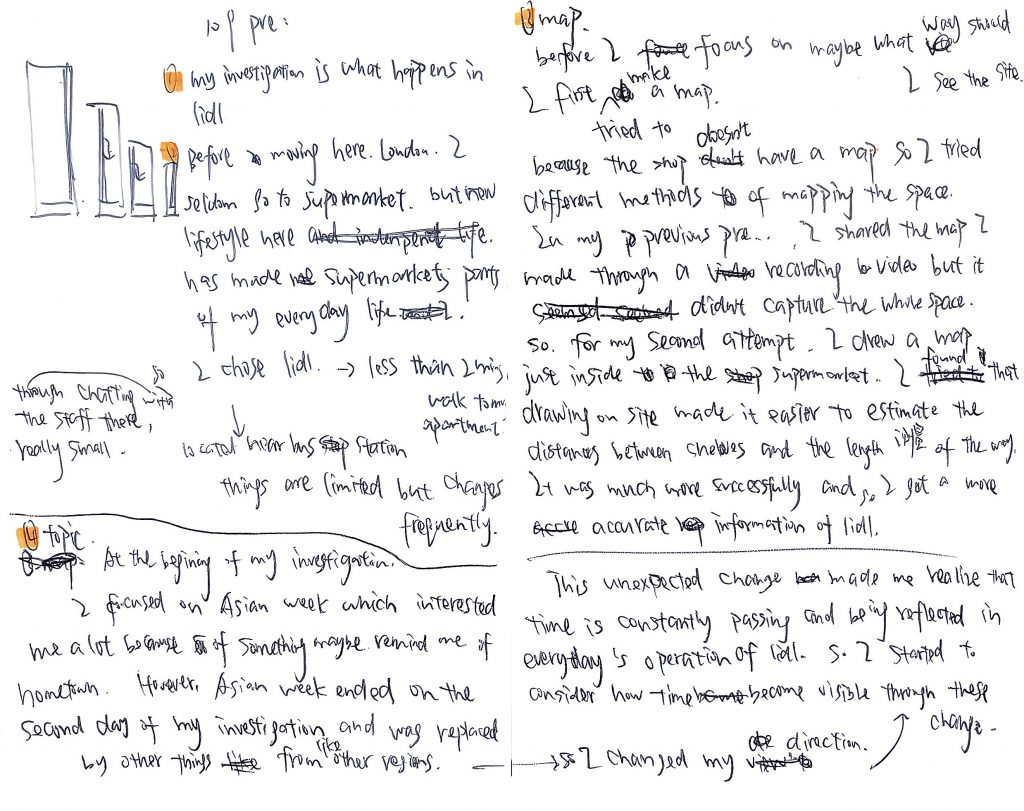
final presetation slide
working notes
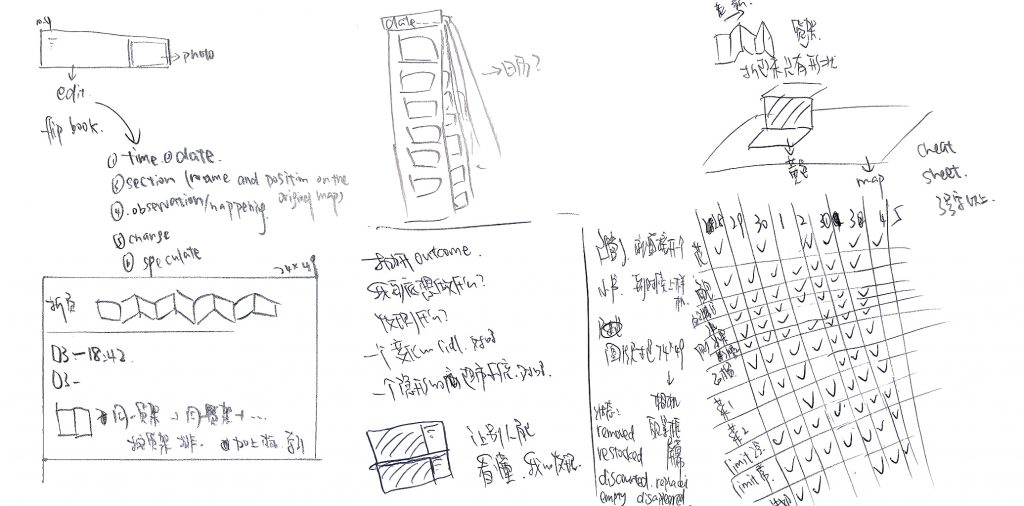
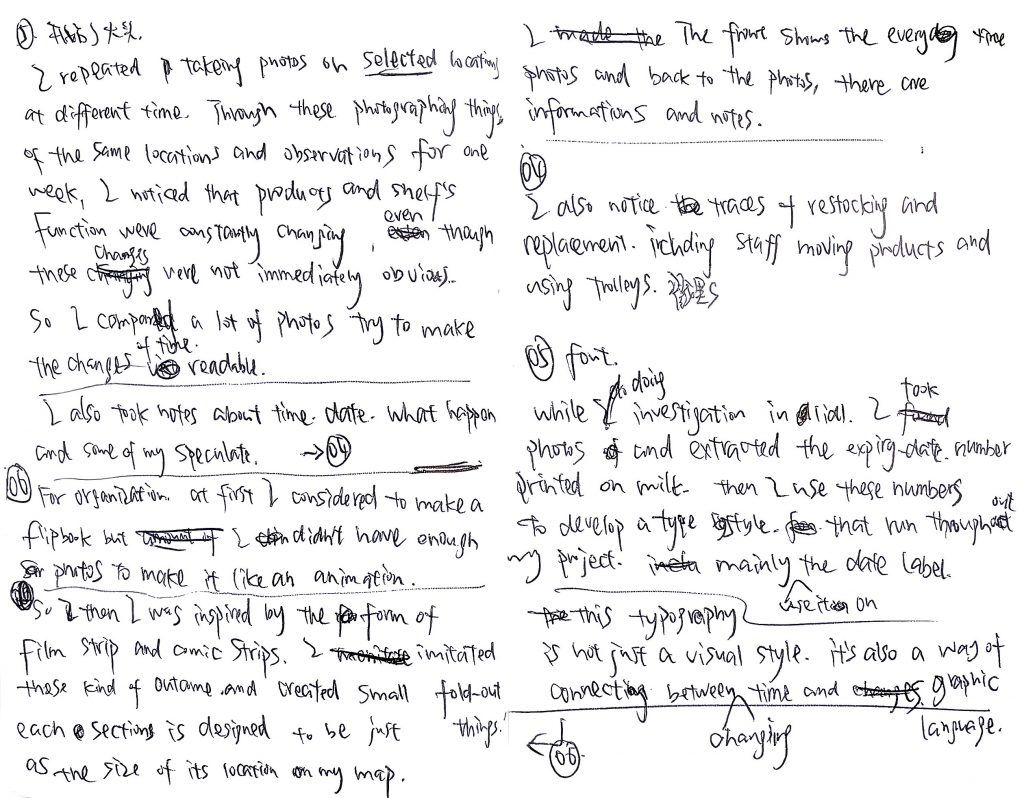
feedback
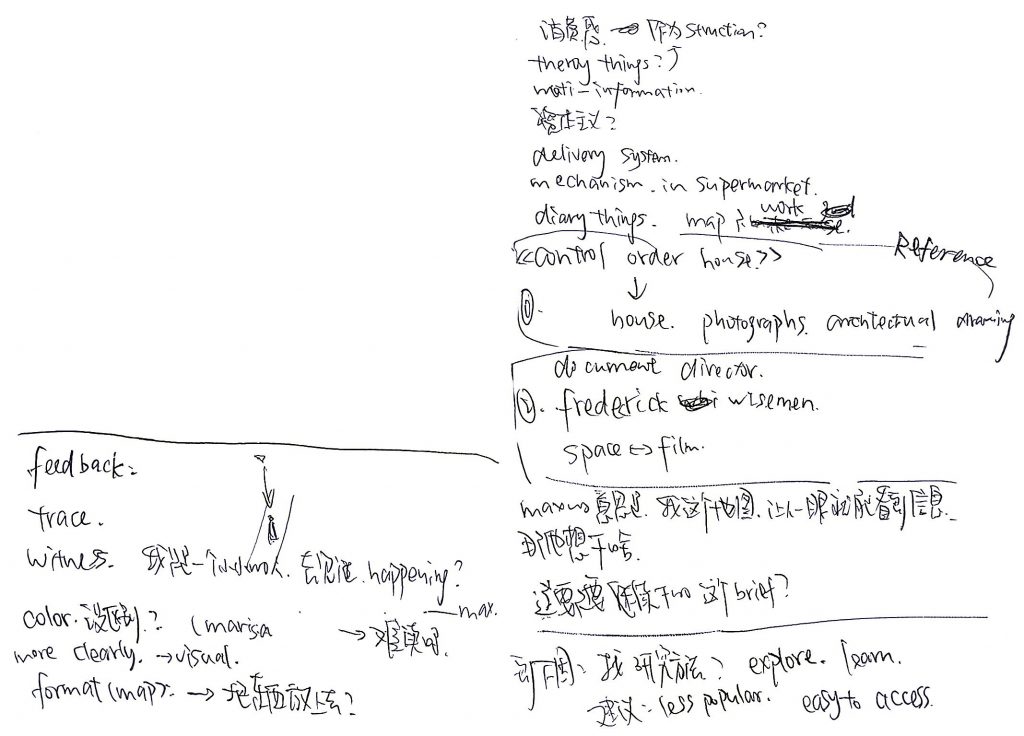
keyword: categorise / organise / annotation / anthropological
1. References and further reading:
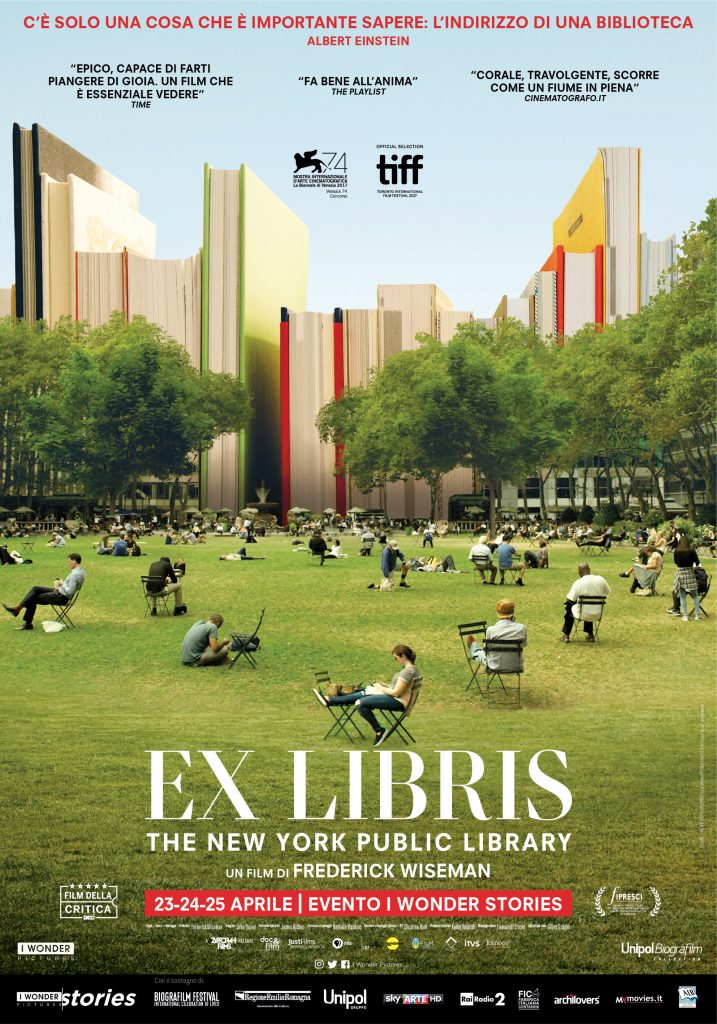
New York Public Library (documentary)
Frederick Wiseman
Build an understanding of a place through detailed observation.
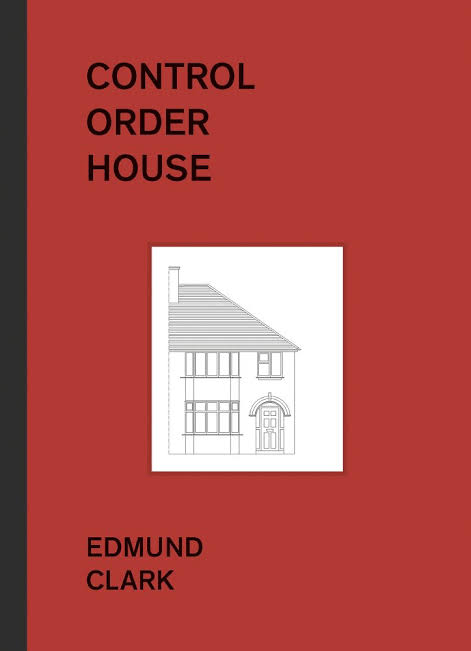
Control Order House
Edmund Clark (photographer)
As a reference for combining photographs, written information and other materials in a book.
2. Format & outcome
“Map doesn’t work because it shows us all of the information at once.”
more like “folder/book/chapters”
3. Behind The Map
Connecting my investigation to theories of consumerism and capitalism
Leave a Reply